Most people evaluate health through visible markers.
Can I digest food?
Do I pass stool regularly?
Do I feel acidity or bloating?
If the answers are mostly “yes,” the assumption is that digestion and metabolism are functioning well.
But digestion is not the same as assimilation.
And metabolism is not just about calories—it is about how efficiently energy is generated, distributed, and utilized.
At the center of this system lies an overlooked triangle: breath, posture, and metabolism.
Breath Is Not Just Oxygen — It Is Metabolic Regulation
Breathing is often reduced to a mechanical act: inhale oxygen, exhale carbon dioxide. In reality, breath is one of the strongest regulators of internal chemistry.
Every breath influences:
- Blood pH
- Carbon dioxide tolerance
- Oxygen release at the cellular level
- Nervous system balance
Shallow or inefficient breathing reduces carbon dioxide levels excessively, impairing oxygen delivery to tissues despite “normal” oxygen saturation.
This phenomenon affects mitochondrial function directly.
Cells may have oxygen available, but cannot use it efficiently to produce ATP.
Posture Determines How You Breathe
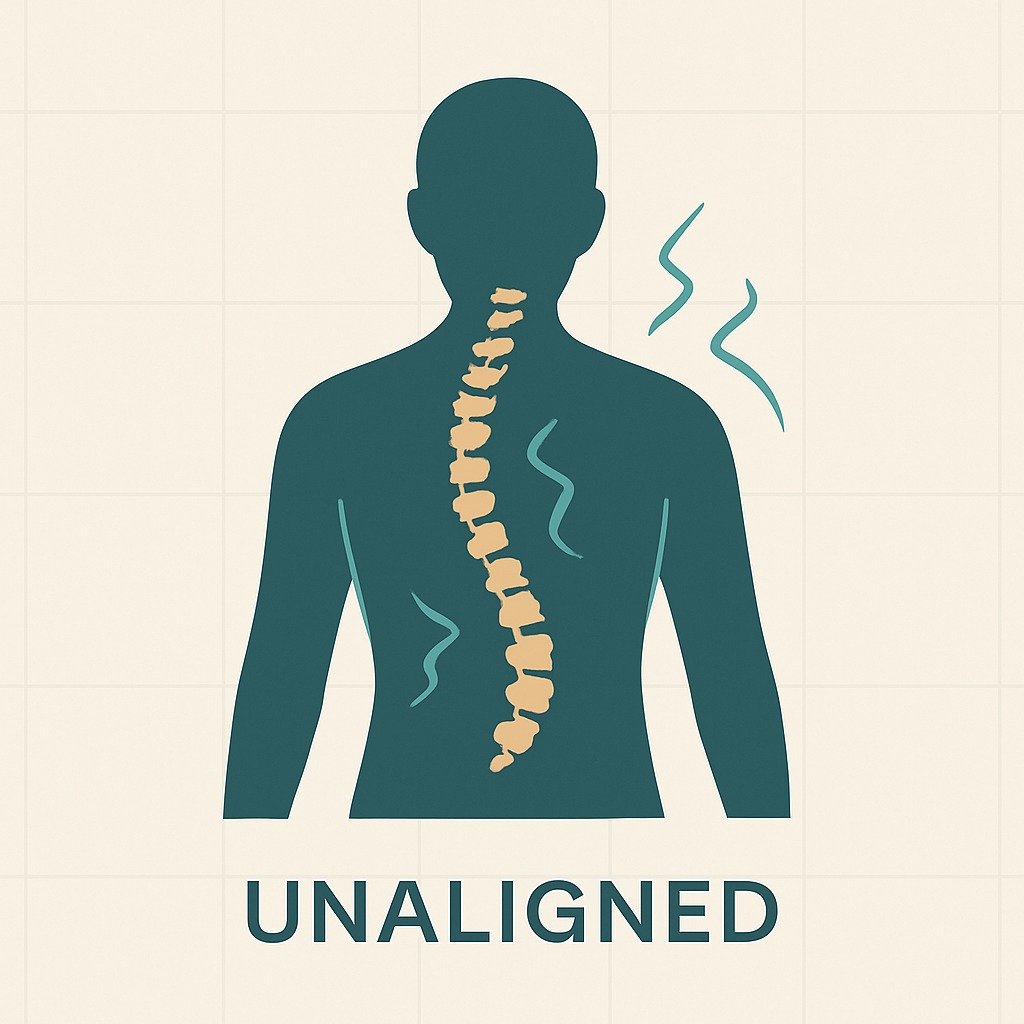
Posture is not aesthetic—it is mechanical permission.
A collapsed thorax, forward head posture, or rigid rib cage restricts diaphragm movement. When the diaphragm cannot descend properly:
- Lung expansion reduces
- Intra-abdominal pressure regulation fails
- Visceral movement decreases
Breathing becomes upper-chest dominant, rapid, and inefficient.
Over time, this alters:
- Autonomic nervous system balance
- Digestive organ motility
- Blood sugar regulation
Breathing becomes stressful, even at rest.
Nervous System Bias and Metabolic Cost
Poor posture and shallow breathing bias the nervous system toward a sympathetic (fight-or-flight) state.
In this state:
- Blood is redirected away from digestion
- Insulin sensitivity reduces
- Glucose uptake by muscles declines
- Fat metabolism becomes inefficient
Energy is available, but not accessible.
People often feel:
- Wired but tired
- Hungry yet unsatisfied
- Full yet nutritionally depleted
This is not a dietary problem—it is a regulatory problem.
Glucose, Glycemic Index, and Stress Physiology
Glucose metabolism is not controlled by food alone—it is controlled by context.
Under chronic stress physiology:
- Blood glucose rises easily
- Insulin response becomes inconsistent
- Glycemic index responses worsen
Even “healthy” foods may spike blood sugar when:
- Breathing is shallow
- Posture restricts circulation
- Nervous system remains activated
The body prioritizes immediate energy availability over long-term efficiency.
Over time, this contributes to:
- Energy crashes
- Sugar cravings
- Poor metabolic flexibility
Digestion vs Absorption: The Critical Difference
Passing stool regularly does not guarantee proper digestion.
Digestion involves:
- Mechanical breakdown
- Enzymatic action
- Chemical processing
Absorption involves:
- Intestinal blood flow
- Healthy mucosal surfaces
- Nervous system regulation
- Hormonal signaling
When stress physiology dominates:
- Nutrient absorption reduces
- Mineral uptake declines
- Protein assimilation becomes inefficient
Food passes through, but nourishment does not fully enter.
This creates a paradox: people eat enough, yet remain deficient.
Why Supplementation Becomes a Crutch
In compromised metabolic environments, supplementation becomes necessary—not because nutrients are unavailable, but because the body cannot utilize them optimally.
This leads to:
- Dependency on external support
- Masking of deeper dysfunction
- Temporary relief without resolution
True metabolic health restores absorption capacity, not just intake.
The Diaphragm: Where Breath Meets Digestion
The diaphragm is both a breathing muscle and a postural stabilizer.
Its movement:
- Massages digestive organs
- Supports venous and lymphatic return
- Regulates intra-abdominal pressure
When diaphragm function is limited:
- Digestion slows
- Motility reduces
- Absorption efficiency drops
Breath becomes shallow. Digestion becomes passive.
Energy Generation Is a Whole-Body Agreement
ATP production depends on:
- Oxygen availability
- Mitochondrial efficiency
- Substrate utilization
- Nervous system tone
Breath quality influences oxygen delivery.
Posture influences breath mechanics.
Nervous system tone influences metabolism.
This is not coincidence—it is coordination.
The Daily Cost of Ignoring the System
When this triangle remains unaddressed, daily life reflects it:
- Morning fatigue despite sleep
- Brain fog after meals
- Poor exercise tolerance
- Digestive unpredictability
The body is not failing—it is compensating.
Restoring the Triangle
Restoration begins not with food plans or supplements, but with:
- Reclaiming diaphragmatic breathing
- Restoring postural integrity
- Calming nervous system bias
Once regulation returns, metabolism follows.
Energy becomes stable. Digestion becomes efficient. Absorption improves.
The body does not need force—it needs permission.